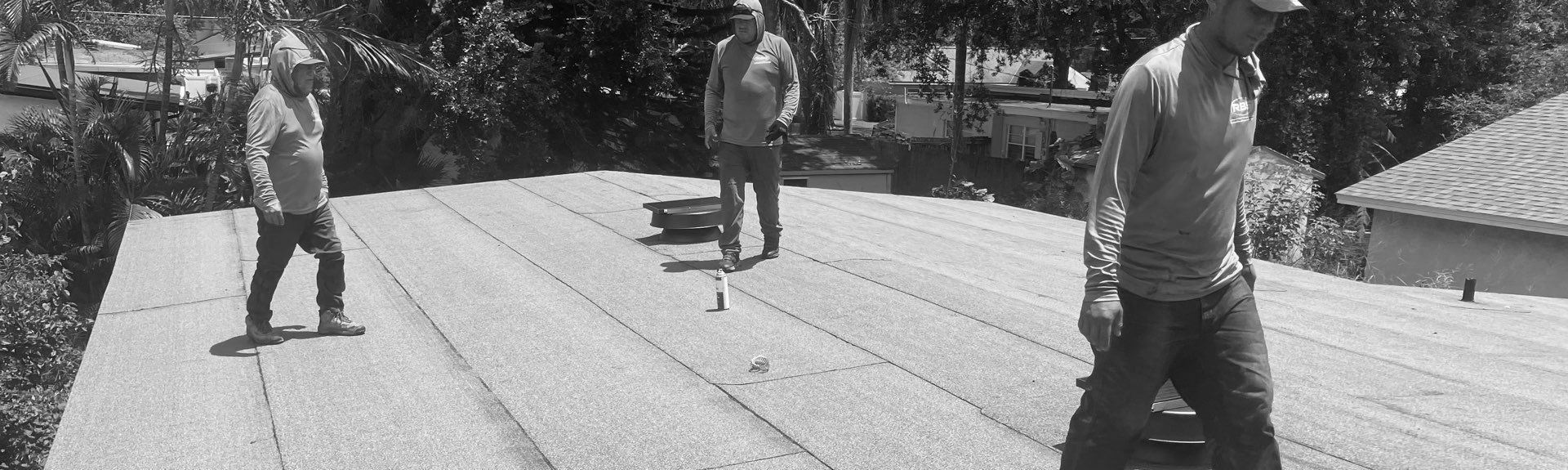
You hear scratching above the ceiling at night or you notice a few droppings near the attic hatch, and you hope it is just a small pest problem, not a serious roofing issue. Maybe you see a soffit panel hanging down at the corner of your home after a windy day or a bird’s nest tucked into your gutter. These little signs are easy to shrug off, especially when the roof is not leaking.
In Central Florida, pests and roofs are closely connected. Rodents, squirrels, raccoons, termites, and birds all use the roof as a highway and a doorway into your home. When they chew, pry, or nest around shingles, decking, fascia, and soffits, they quietly weaken the parts of your roof that keep water out. By the time a stain shows up on the ceiling, pests may have been damaging your roof for months or years.
At RBS Construction & Roofing, we have been inspecting and repairing roofs across Central Florida since 2004, and our team brings more than 35 years of roofing experience in this climate. We routinely uncover pest-related roof damage during inspections, especially after storm seasons and known attic infestations. In this guide, we share what we look for on real homes in this area so you can spot warning signs early, understand the risks, and know when to call us for a professional roof inspection.
Why Florida Pests Are a Hidden Threat to Your Roof
Many Central Florida homeowners think of pests as an interior problem. Rodents are something you trap in the kitchen and termites are something the pest control company handles in the walls. Roof damage, in most people’s minds, comes from hurricanes, hail, or just an old roof wearing out. The reality is that pests often start the damage long before wind or rain finishes the job.
Our climate gives pests a long season to stay active. Warm temperatures, high humidity, and dense vegetation mean rodents, squirrels, raccoons, insects, and birds can move comfortably around your roof almost year-round. Tree branches that overhang the house, power lines, and fencing give them a direct path to your eaves and roofline. Once they are there, they look for the easiest way in, which is often through vulnerable roof components.
The problem is that pest damage starts small. A rat only needs a hole about the size of a quarter to squeeze into your attic. A raccoon can pull down a loose soffit panel or pry up a shingle edge. These openings may not be visible from the ground and may not leak in every rain, but they interrupt the roof’s waterproofing system. In Central Florida’s humid air, even a little water that gets into wood decking, fascia, or insulation tends to stay there and gradually leads to rot and mold.
We often see situations where a homeowner is convinced a recent storm caused their leak, but once we open up the area, the decking shows long-term pest chewing and moisture staining. The storm simply exposed a weakness pests created months or years earlier. Understanding how pests quietly weaken a roof is the first step in catching problems before they become expensive repairs.
Common Florida Pests That Target Roofs
Different pests attack different parts of your roof. Knowing which ones are common in Central Florida and how they behave helps you understand where to look and what kind of damage to expect. When we inspect roofs in our area, we see a few culprits over and over again.
Rodents, especially roof rats, are one of the biggest issues. They are agile climbers that run along tree limbs and power lines, then down onto your roof. Once they reach the eaves, they target soft spots like wooden fascia boards, soffit vents, and gaps around pipes or cables. They chew through wood and thin metal screens to reach the attic, leaving gnawed edges, small round or oval openings, and droppings near entry points.
Squirrels use a similar route, but they tend to cause more physical prying damage. They can grab and lift shingle edges, push into gaps at roof-to-wall transitions, and enlarge small cracks in trim. Raccoons are even stronger. We have seen them tear down entire soffit panels, rip open ridge vents, and peel back portions of a roof edge to squeeze inside. Their weight and strength can distort aluminum or vinyl components, which then no longer fit tightly enough to keep water out.
Termites and carpenter ants are a different kind of threat. They often start in soil or lower wood, then work their way up into roof framing and decking. From the outside, shingles may look fine, but underneath, the wooden deck can be riddled with galleries or hollowed sections. When we walk on these areas, the surface may feel soft or spongy because the structural wood is weakened from the inside out. Birds and some insects add to the problem by nesting in gutters, under tile edges, or in soffit cavities. Their nests trap leaves and debris, which hold moisture against the roof and stop water from draining correctly.
Each of these pests interacts with your roof in a specific way, and they often show up in predictable spots. When we inspect a Central Florida roof, we immediately look at tree-facing eaves, roof transitions near porches or additions, and any area where vents or pipes penetrate the roof, because that is where pests most often get in.
How Pests Physically Damage Your Roof Structure
Pest damage is not just a cosmetic issue at the edges of your home. It affects key components of the roof system that work together to keep water out and support the structure. Understanding how that damage happens makes it easier to see why even small openings matter.
Rodents and squirrels start by chewing. Fascia boards and soffit panels are common targets because they are often made of wood or thin composite material. A rat that gnaws a quarter-sized hole through fascia has just created a direct tunnel from the outside into your attic. Once there, they may chew on the underside of roof decking, gnaw wiring, and disturb insulation. The hole in the fascia also becomes a path for wind-driven rain and insects, which can soak the adjacent wood every time a storm passes.
Stronger animals, such as raccoons, are less interested in small holes and more interested in finding a gap they can enlarge. They hook claws into loose soffit panels, bent drip edge metal, or old vents and pull until something gives. That prying action can bend metal, crack brittle plastic, and tear fasteners out of the wood. We have seen ridge vents peeled back along several feet of roof, leaving nails pulled out and open seams in the shingles and underlayment underneath.
Termites and carpenter ants go after the structure itself. Termites create tunnels within wooden members like rafters and decking. From above, shingles may look normal, but the nail-holding power of the deck is reduced, and the surface can sag slightly between rafters. Carpenter ants hollow out sections of wet or damaged wood to create galleries. In both cases, the roof may feel soft underfoot or flex when we apply pressure. This is dangerous because it affects the roof’s ability to support weight and resist wind uplift.
Nesting activity and droppings also damage roofs. Birds and small mammals build nests in gutters, valleys, and around roof penetrations. These nests trap water and organic material, which keeps the area wet longer than the rest of the roof. Over time, constant moisture breaks down shingle granules, rusts metal flashing, and rots any exposed wood. In the attic, heavy droppings and urine can saturate insulation and the top side of decking. In Central Florida’s humidity, these damp areas dry slowly, if at all, encouraging rot and mold growth along the roof structure.
Warning Signs of Florida Pest Roof Damage You Can Spot
You do not need to climb onto your roof to notice many of the early clues that pests are damaging it. There are safe, simple checks you can do from the ground and inside your home that help you decide whether to call us for a closer look. The key is to focus on roof-related signs, not just general pest activity.
Start with an exterior walk-around from the ground. Look closely at your eaves where the roof meets the walls. Do you see soffit panels that are hanging down, missing, or chewed at the edges, especially near trees or downspouts? Check the fascia boards for gnaw marks, small round or ragged holes, or areas where the paint is stained or peeling in a concentrated spot. Scan your gutters for visible nests, clumps of leaves that never seem to dry out, or birds repeatedly going in and out at the same location.
Next, if it is safe and you are comfortable, take a flashlight into the attic. Stay on the joists or a stable platform, not on the insulation or the underside of the roof deck. Look for droppings along the outer edges of the attic, gnawed wood around vents or utility penetrations, and any place where you can see daylight coming in around the eaves or roof connections. Pay attention to insulation that is flattened into paths or appears damp in localized spots. Musty or ammonia-like odors can also signal long-term pest presence and moisture.
There are a few signs that call for faster action. Active water staining on the underside of the roof deck or the tops of rafters indicates that water is already getting in, possibly through a pest-made opening. Sagging or discolored decking, especially near edges or valleys, suggests moisture and possibly structural weakening. Mud tubes or dirty trails on wood can point to termite activity near the roof level. Any combination of gnawed openings plus moisture signs is a strong reason to bring in a roofing professional.
When we inspect for suspected pest damage, we combine what you have seen from the ground and attic with our own roof-level assessment. We look at ridge vents, plumbing boots, and roof-to-wall transitions where pests frequently access structures. By sharing photos and explaining what each sign means, we help you understand whether you are dealing with past activity, active damage, or a developing problem that can still be caught early.
Why Florida Weather Makes Pest Roof Damage Worse
In a dry, mild climate, a small opening caused by pests might take a long time to become a serious problem. In Central Florida, our weather accelerates every weakness in your roof system. That is why pest-related damage that seems minor today can turn into a leak or structural issue much faster than many homeowners expect.
Heavy, wind-driven rain is a big part of the story. When pests create a gap around a soffit, fascia, vent, or flashing, water has a new pathway during storms. Rain does not always fall straight down. In our summer storms and tropical systems, it often hits the house sideways, driving up and under edges that would shed water in calm conditions. Even a narrow opening created by chewing or prying can allow water to work behind the protective layers of your roof.
Once water gets into wood or insulation, Florida’s humidity makes it slow to dry. Wood in fascia boards, decking, and rafters absorbs moisture. If the relative humidity stays high, which is common here, that moisture does not evaporate quickly. The result is wood that stays damp long enough for rot and mold to develop. Insulation that gets wet loses its effectiveness and can hold moisture against the underside of the roof deck, worsening the problem.
Heat also plays a role. Attic temperatures in Central Florida can climb very high, especially during the summer. When that heat combines with moisture from small leaks or condensation, roofing materials age faster. Shingles may lose granules more quickly, underlayment can become brittle, and adhesives that seal overlaps can fail sooner. If pests have already disturbed or lifted those materials, the heat and moisture cycle speeds up their breakdown.
We often see the full effect after strong storms or hurricanes. Areas of the roof that looked fine from the ground fail at the edges or around penetrations because pests had already weakened them. The storm is what you notice, but the pest damage set the stage. Addressing pest-created openings before storm season is one of the best ways to reduce the chances of surprise roof leaks when the weather turns rough.
Safe Inspection Tips Before You Call a Roofer
When you suspect pests might be affecting your roof, you do not need to become a roofer or a pest technician overnight. A few careful checks and good notes can give you a clear picture and help us respond quickly and accurately when you call. The goal is to gather information without putting yourself at risk or causing more damage.
Start with a simple routine. From the ground, walk the perimeter of your home during daylight. Take photos of any loose or missing soffit panels, chewed fascia, or nests in gutters and downspouts. Look where tree branches are close to the roof and where utility lines attach to your home. If you can safely reach the bottom of the attic access, open it and shine a flashlight inside from a stable position. Note any droppings, gnawed areas, visible light around edges, or damp-looking insulation.
As you observe, keep a short list or take photos that show:
- Where you see damage or openings, such as a specific corner, above a certain window, or near a porch roof.
- What type of sign you notice, for example droppings, chewing, nests, staining, or sounds at certain times of day.
- When you first noticed the issue and whether it seems to be getting worse.
There are also things you should avoid doing. Do not walk on steep or high roofs, especially if you suspect the decking may be weakened by pests or moisture. Old shingles and compromised wood can break underfoot. Avoid sealing visible holes with foam or caulk before a roofing inspection. While it is understandable to want to block pests, sealing the outside without understanding where moisture is going can trap water in the structure. Also, do not ignore roof-related signs just because your ceiling has not leaked yet. Many pest openings cause hidden damage long before water shows inside the living space.
When you contact us, share your photos and notes. At RBS Construction & Roofing, we are committed to honest, clear communication about what we find. In many cases, we can confirm the most likely entry points and damage areas from an on-site inspection and then explain whether you are looking at a small, localized repair or a broader issue. Sometimes we recommend watching an area or coordinating first with pest control. Other times, especially if we see moisture damage, we suggest prompt repairs and can respond quickly, including 24/7 service when there is an active leak or opening.
Repairing Pest Damage and Working With Pest Control
Once pests have damaged your roof, two things need to happen. The pests must be stopped and removed and the roof system must be restored so it can protect your home again. Pest control companies handle the animals and insects. A qualified roofing contractor handles the structure and waterproofing. Both are important if you want a long-term fix instead of a recurring problem.
On the roofing side, repairs often begin with replacing damaged materials. This may include sections of fascia that have been gnawed or rotted, soffit panels that have been pulled down or broken, and shingles or tiles that have been lifted or cracked. If we find that pests have chewed into the roof decking, we remove the affected area and install new sheathing, then restore underlayment and shingles over the top. The goal is to get back to a continuous, solid surface that sheds water properly.
Sealing and reinforcing entry points is just as important as replacing visibly damaged materials. We look closely at roof penetrations such as plumbing vents, HVAC lines, and exhaust fans, because pests often find gaps here. Flashing that has been bent or displaced is reset or replaced, and we ensure that vents have proper screens or covers that allow airflow but keep pests out. Where raccoons or squirrels have pried up edges, we may use additional fasteners or stronger materials at the eaves to make those spots harder to lift in the future.
We encourage homeowners to coordinate timing with their pest control provider. In many cases, it works best to have pests actively addressed, then follow up with roof repairs that close the entry points they used. At RBS Construction & Roofing, we explain what we see and, when appropriate, can point out areas your pest control company may want to focus on, such as specific eave locations or attic sections where activity was heaviest.
Because pest-related roof repairs are rarely planned expenses, cost is a real concern. Our team at RBS Construction & Roofing is licensed, insured, and bonded and holds an A rating from the Better Business Bureau, which gives you assurance that the structural and waterproofing work is done to a professional standard. We also offer financing options that can make it easier to address serious problems now instead of putting them off and risking more extensive damage later. Our goal is to help you choose a repair approach that protects your home and fits your situation.
Preventing Future Pest Roof Damage on Your Central Florida Home
After repairs are made, or if you are fortunate enough to catch issues early, prevention becomes the focus. In Central Florida, this means thinking about how pests reach your roof, how your roof details either invite or discourage them, and how often a professional should check your roof for early warning signs. Small changes now can significantly reduce the chances of another surprise down the road.
Outside your home, look at anything that acts as a bridge to the roof. Tree branches that hang over or touch the roofline are common highways for rodents and squirrels. Trimming these back so they do not contact the roof makes access more difficult. Vines and tall shrubs that grow up to the eaves can also offer cover and climbing routes. Keeping vegetation a bit lower and away from the house reduces hiding spots and makes it easier to see developing problems.
Roof-specific measures focus on keeping water moving and closing easy entry points. Clean, free-flowing gutters and downspouts help prevent standing water and reduce the appeal of gutter lines as nesting sites. Properly screened soffit and ridge vents allow your attic to breathe while keeping birds and rodents out. During inspections and maintenance, we check that these vents are intact and sized correctly. We also look at roof-to-wall intersections and flashing details, where small gaps sometimes appear as the home settles or materials age.
Timing your roof maintenance is another smart strategy. In Central Florida, scheduling a professional inspection before peak storm season helps catch pest-created openings and weak spots that heavy rain and wind would exploit. If you have recently had a pest infestation treated inside your home, a follow-up roof inspection is a good idea to confirm that the entry points those pests used have been found and addressed.
At RBS Construction & Roofing, we work with many homeowners on an ongoing basis, providing repeat inspections, maintenance, and repairs as needed. As a family-owned, locally involved company, we value long-term relationships and make a point of explaining what we find in clear language. Our bilingual customer support means you can discuss roof conditions, pest concerns, and prevention strategies in English or Spanish, so you are never guessing about what your home needs.
Protect Your Central Florida Roof From Pests Before Damage Spreads
Pests and roofs are a combination that Central Florida homeowners cannot afford to ignore. Rodents, squirrels, raccoons, termites, and birds all see your roof as a path or a shelter, and the damage they cause often starts long before water shows up inside. In our hot, humid, storm-prone climate, even small pest-created openings around your eaves, vents, or fascia can quickly turn into rot, mold, or structural weakness if they are not found and corrected.
If you are seeing signs of pest activity near your roof, hearing noises in the attic, or noticing suspicious damage to soffits or fascia, a professional roof inspection can give you clear answers and a practical plan. At RBS Construction & Roofing, we bring decades of Central Florida roofing experience to every inspection, and we focus on honest guidance, from minor repairs to more involved structural work. We can also work alongside your pest control provider and offer financing options to make needed repairs more manageable.
Call (689) 304-9605 to schedule a Central Florida roof inspection and find out whether pests have been putting your roof at risk.